Contractor Expenses Fraud Uncovered: £47,000 in Falsified Claims
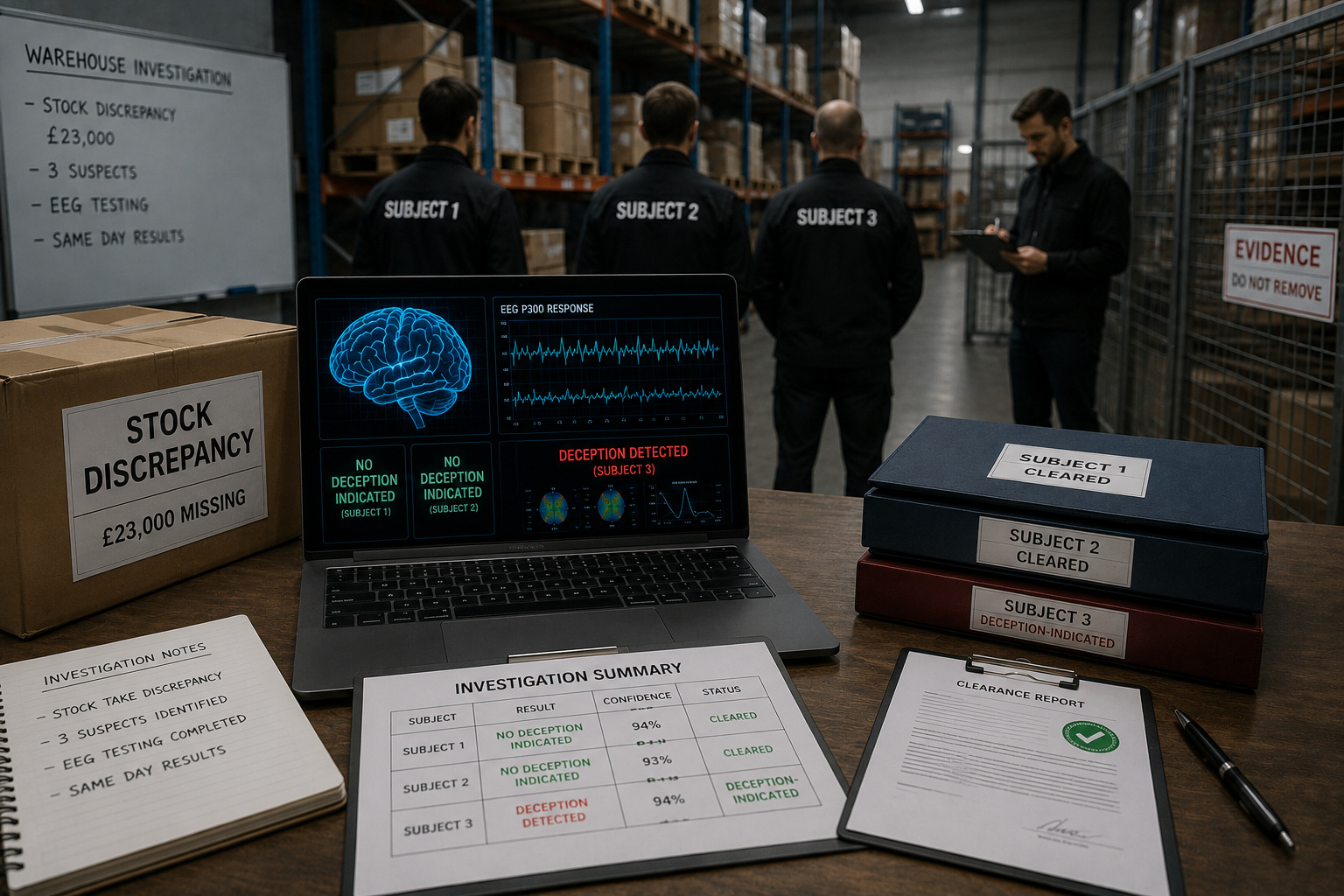
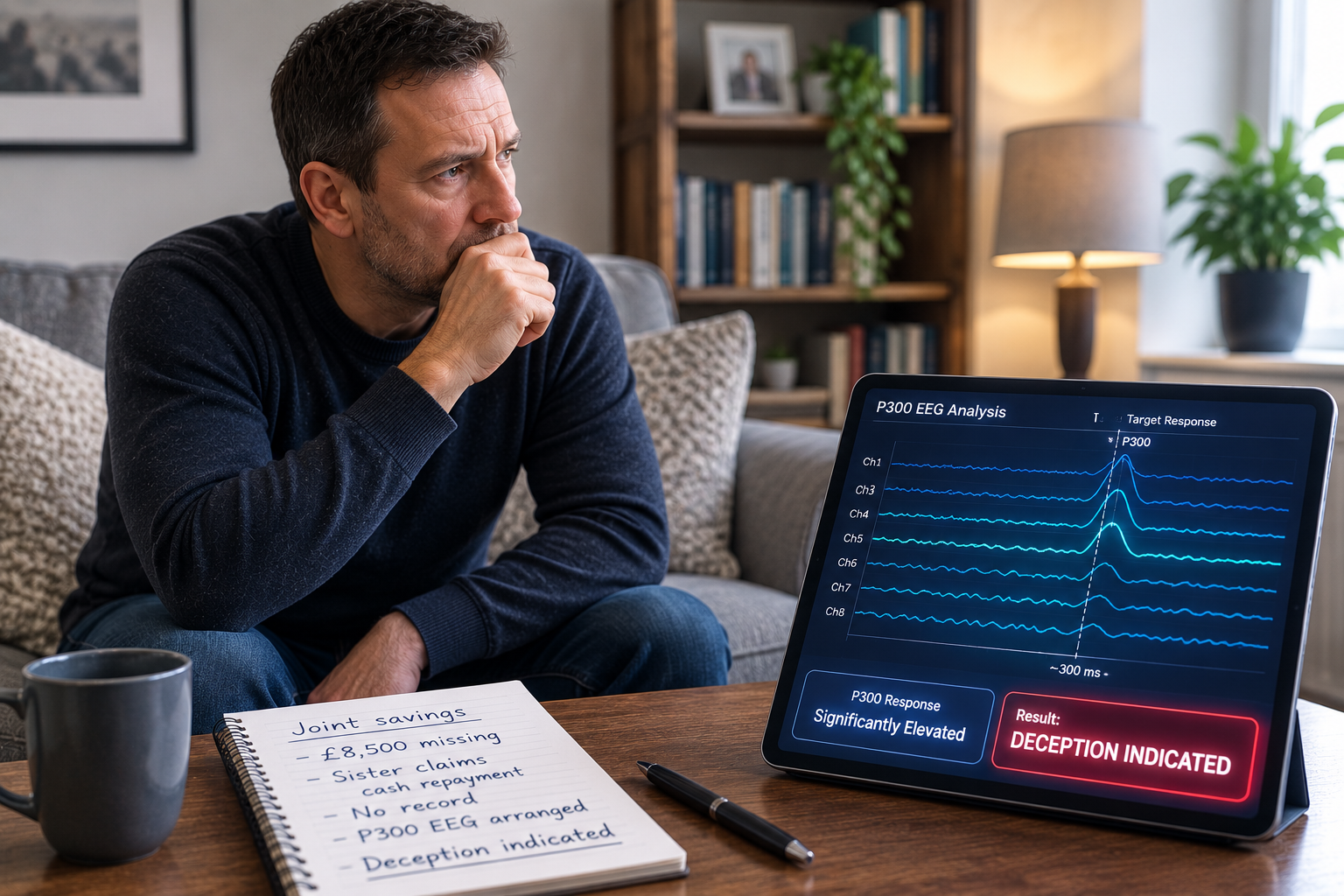
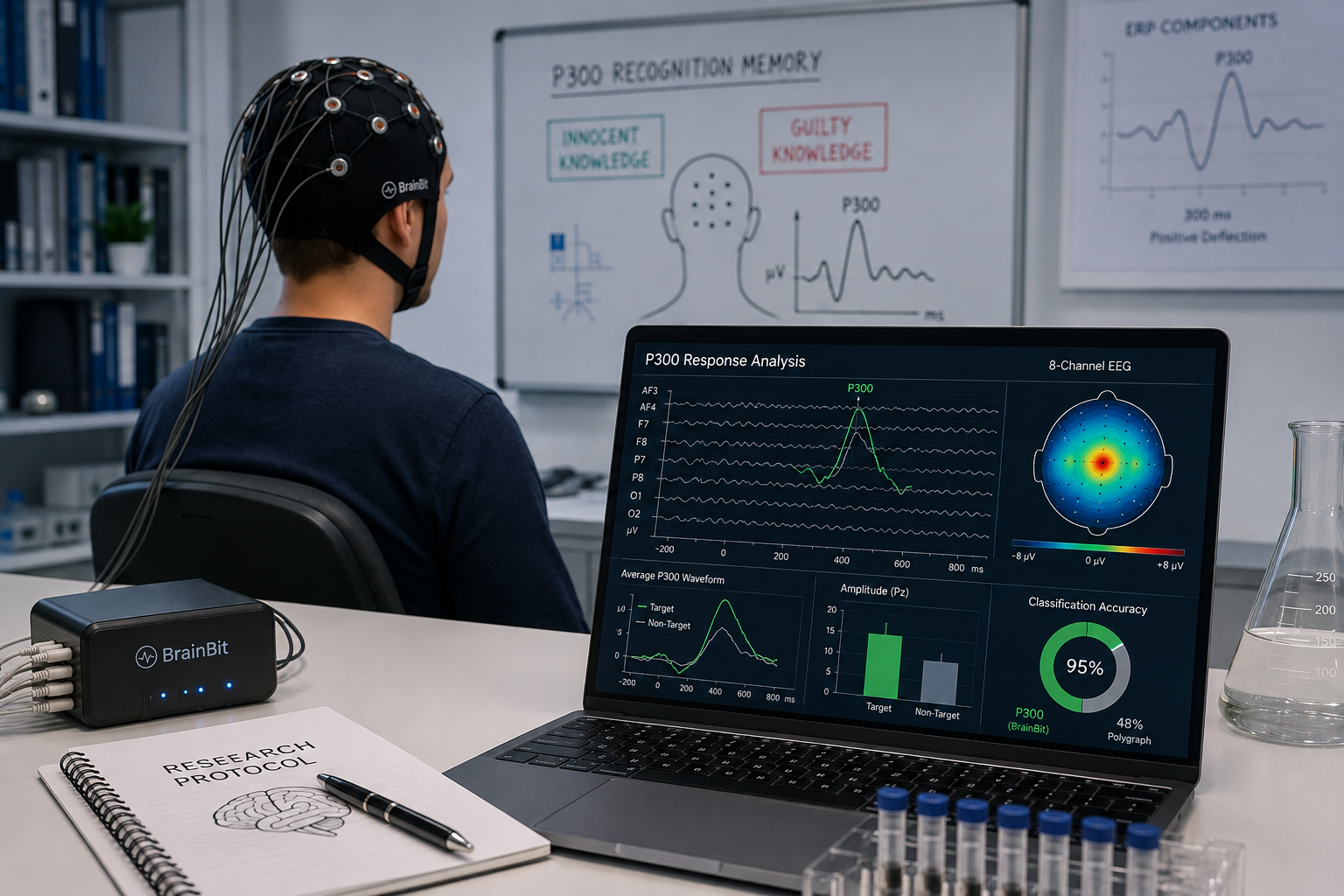
A professional services firm suspected a long-term contractor of falsifying expense claims over 18 months. HR could not take action without objective evidence. P300 EEG tested two subjects — the contractor and a suspected complicit internal approver. One deception-indicated. One cleared. The right person was identified.
Important Use & Limitations Notice
Anonymisation: All names, company identifiers, and identifying details in this case study have been anonymised or adapted. The investigation is presented as a documented outcome for educational purposes.
Evidential use: P300 EEG results in this case were used as supporting evidence in an internal HR disciplinary process and subsequent employment tribunal proceedings. They are not presented as standalone determinative evidence.
Purpose: This material is for educational and investigative planning purposes. It does not constitute legal advice.
Case Background
In late 2024, a West Yorkshire professional services firm engaged our investigation service following an internal finance audit that had flagged a pattern of anomalous expense claims. A contractor — "Marcus Webb" (anonymised), engaged on a rolling 12-month basis for project management work — had been submitting monthly expense reports for travel, accommodation, and subsistence across 18 months of engagement.
The audit identified £47,000 in claims that could not be substantiated against project records. Claimed journeys did not correspond to project site locations. Hotel receipts matched dates on which the contractor had been confirmed present at the firm's main office. Subsistence claims exceeded the firm's policy caps on a consistent basis. When challenged informally by the finance manager, the contractor denied any irregularity and threatened legal action if the matter was pursued without evidence.
The complicating factor was the internal approver — "James Thornton" (anonymised), a senior project manager who had signed off every one of the contractor's expense claims across the 18-month period. Whether Thornton had knowingly approved falsified claims, or had been deceived by a contractor who had forged supporting documentation, was unknown. The HR director would not proceed to disciplinary action against either party without a clearer evidential picture.
Why the internal investigation had stalled
- No direct admission: The contractor denied all allegations and had retained a solicitor who had written to the firm threatening a discrimination claim if disciplinary proceedings were initiated without documented evidence.
- Documentary ambiguity: The expense claims had been submitted with supporting receipts. The audit had identified inconsistencies but could not definitively establish that the receipts were fabricated versus mis-attributed.
- Two potential suspects: Without knowing whether the approver was complicit, the firm could not structure disciplinary action appropriately. Treating Thornton as a suspect when he was innocent would create its own legal exposure.
- Tribunal risk: The contractor's threatened legal action meant the firm needed an evidential basis that would withstand scrutiny in employment tribunal proceedings, not just internal process.
Investigation Design
Both subjects were tested on the same morning, sequentially, with each isolated from the other before their session. The probe design was built separately for each subject — the questions for the contractor and the approver tested different categories of knowledge.
Probe design for the contractor (Subject A — Webb)
The contractor's probe set was built around specific details of the falsified claims that only someone who had constructed the fraud would hold in memory — details that could not be guessed or inferred from the claim forms alone:
- The specific hotel chains used on dates when no travel could have occurred
- The precise amounts entered on receipts that differed from the actual transaction records later recovered from the accommodation providers
- The specific mileage figures entered for journeys between locations that were inconsistent with the actual distances
- The sequence in which fraudulent receipts were created and submitted relative to the genuine ones
Probe design for the approver (Subject B — Thornton)
Thornton's probe set tested the specific question of whether he had knowledge of the fraudulent nature of the claims he approved — or whether his approvals had been made in good faith on the basis of the documentation presented to him:
- Recognition of specific discrepancies in the receipts that an approver who had been aware of the fraud would have stored in memory
- Recognition of specific informal communications with the contractor about expense practices that would indicate prior knowledge of the inflation
- Knowledge of the overall scale of the falsification — a figure that only someone who had been involved in its planning would know precisely
Briefing and consent (15 minutes per subject)
Both subjects were briefed individually on the P300 EEG process and the general subject matter of the investigation — that it concerned the expense claims under audit — and provided written informed consent. Neither was told the specific probe stimuli.
Subject A session — contractor (90 minutes)
Three probe sets covering the specific mechanics of the falsified claims, the documentation construction, and the pattern of submission relative to genuine expenses. Baseline calibration completed at session open.
Subject B session — approver (75 minutes)
Two probe sets covering knowledge of the fraudulent nature of the claims and any prior discussion with the contractor about the expense practices. Baseline calibration completed at session open.
Same-day verbal results
Verbal results delivered to the HR director and the firm's legal advisers at the close of the afternoon session. Written reports for both subjects delivered the following morning.
Results
Subject A — Contractor (Webb)
Produced statistically significant P300 recognition responses across all three probe sets — including recognition of specific receipt amounts that differed from the authentic transaction records, and of the precise fabricated mileage figures. The probability scores across the three sets ranged from 94% to 97%. His brain held the specific details of the fraud in the way that only the person who constructed it would.
Subject B — Approver (Thornton)
Produced no meaningful P300 recognition responses to the probe stimuli concerning the fraudulent nature of the claims. His brain did not hold knowledge of the specific discrepancies, the fabricated amounts, or the informal communications that would have been stored by a complicit approver. The result was consistent across both probe sets. Thornton had approved the claims in good faith on the basis of the documentation he was given.
The clear result was as important as the deception-indicated one
Without the P300 EEG investigation, the firm's only options were to pursue action against both subjects — creating compounded legal risk — or to take no action at all. The clear result for Thornton ended his involvement in the investigation on the day of testing, allowed the firm to provide him with a documented exoneration, and removed a significant source of employment liability before it developed into a formal grievance or claim.
Why P300 caught what the audit alone could not confirm
Detection Method Comparison — Expenses Fraud Investigation
P300 EEG
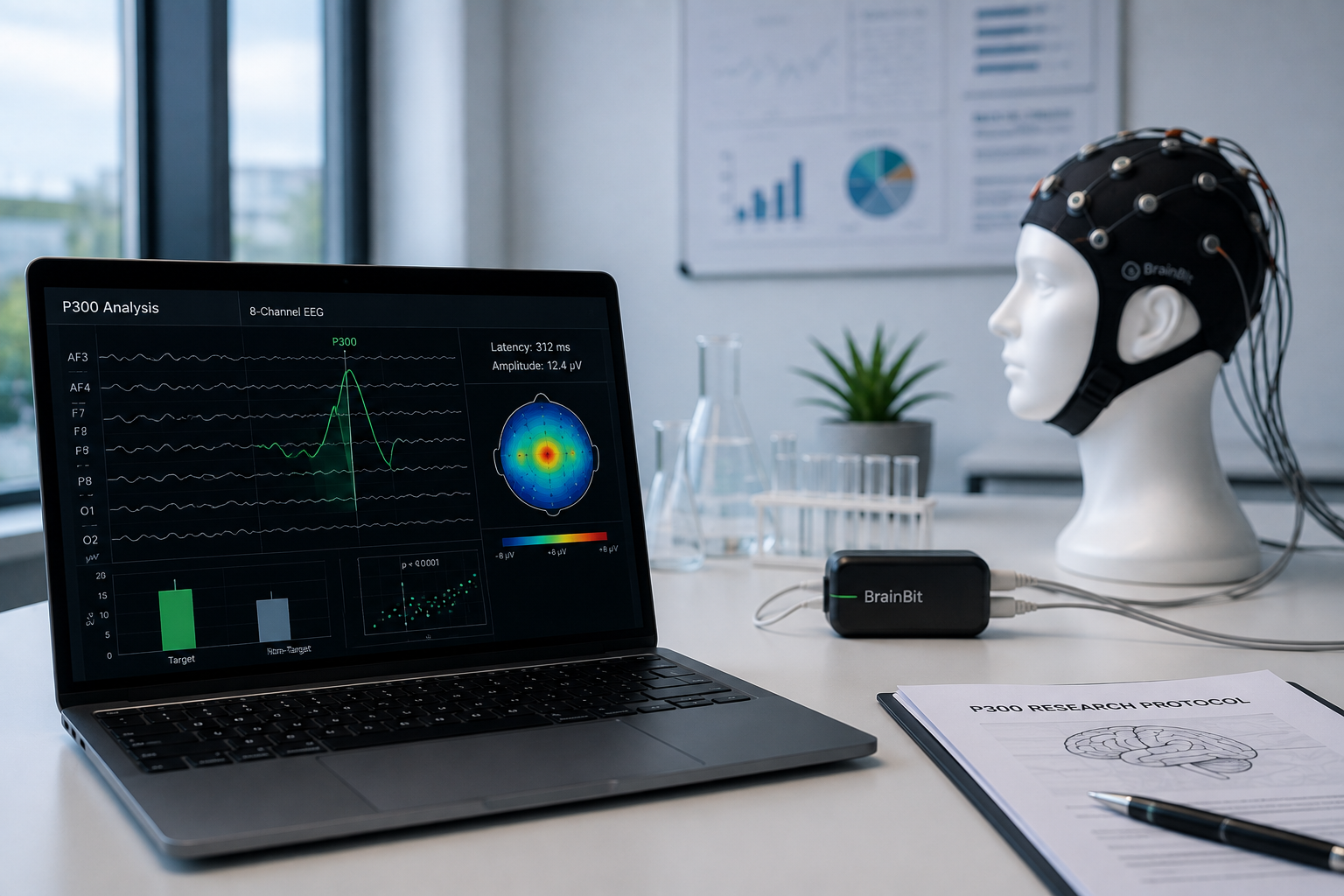
Tests what the subject's brain actually knows. A contractor who fabricated receipts has stored the specific details of that fabrication — amounts, locations, dates — in neurological memory. The audit could identify inconsistency. P300 EEG identified the person who created it.
Financial Audit Alone
Identifies inconsistency in records but cannot establish intent or identify the responsible party when multiple suspects exist. The audit in this case had established that fraud had occurred — but not who had committed it, which was the question the HR process required answered.
Key Investigation Findings
- Subject A (contractor) produced deception-indicated results on all three probe sets, with probability scores of 94–97% — among the highest recorded in our expense fraud case dataset.
- Subject B (internal approver) produced clear results on both probe sets, establishing that he had no prior knowledge of the fraudulent nature of the claims he approved.
- The contractor's recognition responses were particularly strong on the fabricated receipt amounts — specific figures that only someone who had constructed the false documentation would have stored in precise neurological memory.
- The dual-subject framework resolved the investigation's central ambiguity — who was responsible — in a single half-day session that the audit had been unable to resolve over several weeks.
- The written reports were delivered to the firm's legal team before any formal disciplinary proceedings began, allowing the process to be structured on the basis of documented objective evidence from the outset.
Investigation Outcome
Disciplinary process
The P300 EEG report for Subject A, presented alongside the financial audit findings, provided the evidential basis the firm needed. The contractor was formally notified of disciplinary proceedings citing fraud. His solicitor received copies of both the audit report and the P300 EEG written report as part of the pre-action disclosure.
Employment tribunal claim
The contractor submitted an employment tribunal claim alleging wrongful termination and constructive dismissal. At the preliminary hearing, the tribunal reviewed the evidential package — which included the financial audit, the P300 EEG report, and the subsequently obtained authentic transaction records from two of the named hotel providers. The claim was dismissed at the preliminary stage. The tribunal found that the firm had a documented and objectively evidenced basis for the disciplinary action taken.
Civil recovery
The firm initiated civil recovery proceedings for the £47,000 in falsified claims. The P300 EEG report featured in the particulars of claim as supporting evidence of the contractor's knowledge of the fraud. The matter settled before a full hearing, with a recovery agreed at approximately 60% of the total fraudulent amount.
Outcome for the cleared approver
Thornton received a written communication from the HR director on the day of the investigation confirming that the investigation had found no evidence of his involvement or prior knowledge. He remained in post. The clear result prevented what would otherwise have been a parallel disciplinary process — with its associated legal costs, management time, and reputational impact for both Thornton and the firm.
What This Case Demonstrates
The dual-subject framework resolves ambiguity that audit cannot
Financial audits are highly effective at identifying that fraud has occurred. They are structurally limited in their ability to identify who committed it when multiple individuals had access to the systems or processes involved. P300 EEG fills exactly that gap — by testing what each suspect's brain actually holds, rather than what the records show they could theoretically have done.
Clearing a falsely suspected party has its own legal value
In this case, the clear result for the approver was arguably as commercially important as the deception-indicated result for the contractor. Without it, the firm faced the choice of pursuing both — at the risk of a wrongful dismissal claim from an innocent employee — or pursuing neither. The P300 EEG investigation resolved that choice on the day of testing.
Pre-tribunal evidence changes the cost-benefit calculation
The contractor's solicitor had sent a threatening letter before proceedings began. By the time the tribunal claim was submitted, the evidential package already included the P300 EEG report. Pursuing a claim against an employer who holds an objective neurological investigation result, combined with corroborating documentary evidence and authenticated transaction records, is a different proposition from pursuing one who has only an internal audit and the word of the suspected party. The claim did not survive the preliminary hearing.
Facing a Corporate Fraud Investigation?
When financial audit identifies inconsistency but cannot answer who is responsible, P300 EEG resolves the question that the documents cannot. Initial consultation is free.